On the Shortness of Life: Seneca's Argument, Step by Step
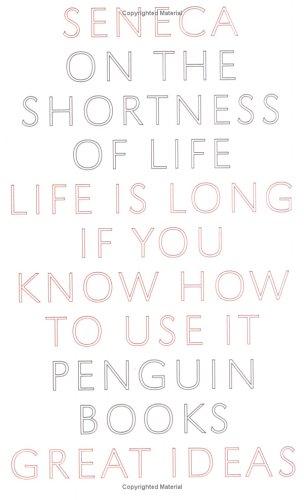
Seneca’s argument in On the Shortness of Life takes about two hours to read and roughly twenty years to stop thinking about. The core claim lands in the first paragraph: life is not short. We just waste most of it.
That’s not a motivational poster. It’s the opening move in a philosophical argument Seneca builds with some care, and it’s worth following that argument in order — because the essay earns its conclusion rather than asserting it.
The Claim (Chapters 1–3)
Seneca addresses De Brevitate Vitae to his father-in-law Paulinus, a busy bureaucrat. The framing matters: this isn’t a letter to a philosopher but to someone who would have said he didn’t have time for philosophy.
The opening move is the inversion. Everyone assumes life is short by nature. Seneca says the fault is ours. We receive “a generous portion of time,” and then we squander it. The Latin word he keeps returning to is iactura — a throwing away, a loss at sea. We don’t simply spend time poorly. We fling it.
He catalogs the ways: ambition, drinking, sleep, the endless maintenance of other people’s opinions of us. His list is specific enough to sting. The man who spends his life carefully managing his reputation dies having never lived in his own name.
The Central Distinction (Chapters 4–8)
Seneca distinguishes between living and being alive. Most people are occupied but not alive — which he means almost technically. To be alive in his sense requires attending to your own time, directing your attention, living toward something you’ve actually chosen. “Occupied” people exist in a kind of continuous postponement, promising themselves they’ll really begin once the current urgency passes.
The urgency never passes.
The passage that stops people cold is in Chapter 7: the comparison of the busy man to someone who borrows constantly to pay off debts, until the borrowing itself becomes the whole business of their life. Every urgent demand generates two more. The person who mistakes busyness for purpose never becomes unbusy; they become better at being busy.
The Philosophers’ Exception (Chapters 9–13)
Seneca argues that people who engage seriously with philosophy have long lives, because they recover time others discard. The mechanism: philosophy allows you to inhabit the past, present, and future simultaneously. You can live with Socrates and with Zeno; history and thought aren’t unavailable to you the way they are to someone who never reflects.
He’s not being mystical. He means that reading, thinking, and taking the past seriously extends the life you’re conscious of.
It’s a strange argument and he knows it. What he’s defending is the difference between a life that accumulates meaning and one that simply elapses.
The Attack on Postponement (Chapters 14–18)
The sharpest section. Seneca turns to the habit of deferral — the “I’ll begin living properly once I retire, once the children are settled, once this project is done” — and is merciless about it.
He points out that we treat our own time with a carelessness we’d never apply to money. We’d refuse to give a stranger a piece of property without legal documentation. We hand out years of our lives to anyone who asks, and feel virtuous for doing it.
The retirement fantasy gets particular attention. People spend decades promising themselves a few good years at the end, then arrive there too depleted, too habituated to busyness, to use them. “They are all thus,” he writes, “the years roll by, old age surprises them, and they come to it unprepared and unarmed.” The point isn’t that retirement is bad. It’s that it’s not a substitute for a life.
What He’s Actually Recommending (Chapter 19)
The essay ends not with a program but with a single recommendation: recede in te ipse. Withdraw into yourself. Spend time with people who will make you better. Read things that will outlast the urgency of the week.
Seneca doesn’t claim this is easy. He spent much of his own life in imperial politics, amassing a fortune that later critics held against him. The gap between the advice and the adviser is real, and he doesn’t pretend otherwise. He was writing to Paulinus, but he was also writing to himself.
For a Stoic essay to hand someone who doesn’t think they’re interested in Stoicism, this is the one. It’s not about virtue in the abstract. It asks a single question — what have you actually done with the time you’ve had? — and gives you nowhere comfortable to stand while it waits for the answer.
If you want to read the essay itself, C.D.N. Costa’s Penguin edition is readable and inexpensive; the essay runs about 50 pages. If that leads you toward Seneca’s letters, the reading order that actually works will save you from hitting the dull ones first. And if you want to understand where this essay sits relative to Epictetus and Marcus Aurelius, the Stoic reading list in order is worth ten minutes.